TB-500: delivery changes the experiment
For me, pharmacy starts with a preparation: what is in it, where it goes, and how it was tested. In the thymosin beta-4 papers, those details give the repair story its texture.
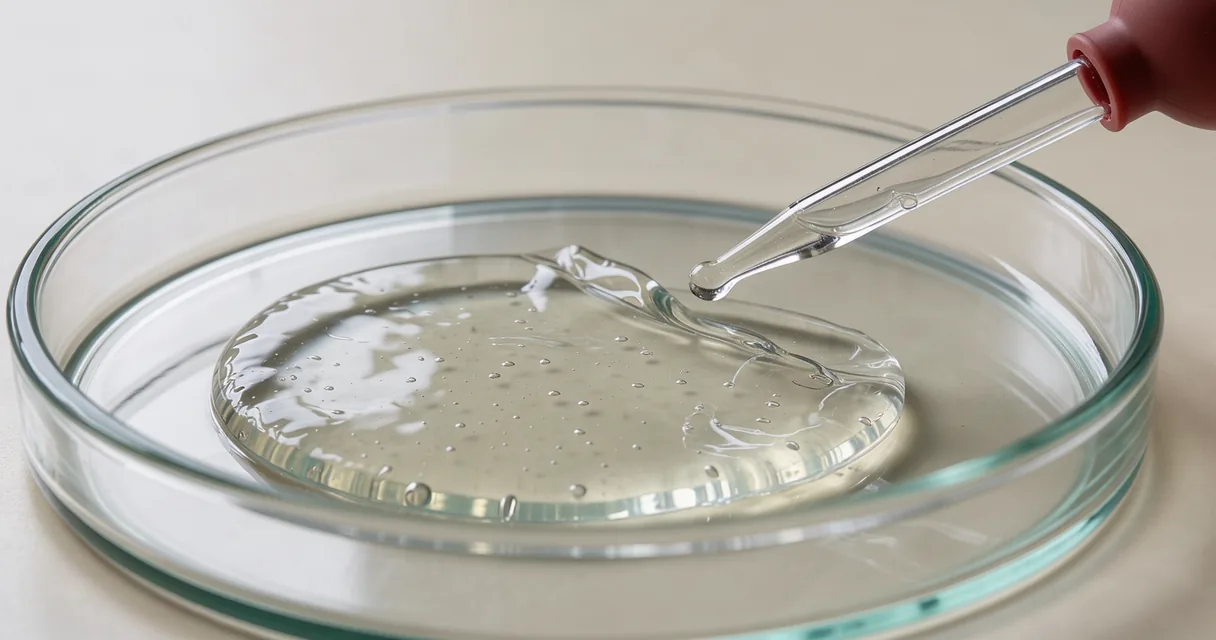
A scaffold in the heart study
A paper about cardiac repair drew me into an unexpected question about its delivery material. In the 2021 scaffold-release study, a functionalized, self-assembling peptide released full-length thymosin beta-4 and promoted cardiac repair and new blood-vessel growth in animals. The carrier was part of the experiment.
That is the preparation problem I want examined more closely. A preparation includes an ingredient, a way of delivering it and a particular purpose. Leaving any of those out turns an interesting experiment into a much broader claim than its results can carry.
I think the delivery work deserves more attention than it gets. The scaffold paper offers a concrete research direction; it supplies no human treatment result for the short TB-500 fragment. Almost all the repair literature concerns the larger thymosin beta-4 protein.
The TB-500 ingredient
TB-500 is Ac-LKKTETQ, a synthetic, acetylated fragment corresponding to amino acids 17–23 of thymosin beta-4. The horse-sample detection paper identifies that fragment precisely. It contains seven amino acids; the whole protein contains 43.
The shared sequence carries an actin-binding region. Actin is part of the machinery cells use to change shape and move. The larger protein has other working parts too: its breakdown can release Ac-SDKP, a separate fragment associated with blood-vessel growth and reduced scarring. TB-500 lacks the region needed to produce Ac-SDKP, as the review of thymosin beta-4 biology explains.
I prefer an ingredient description that leaves those differences visible. A short sequence can be scientifically interesting while its human effects remain unproved.
Eye, lung, bloodstream
The preparations spread out quickly. A 2024 animal lung study used inhaled thymosin beta-4; human early-safety work gave the whole protein directly into a vein; a 2025 corneal-model paper tested an engineered tandem thymosin peptide. The ingredient and its delivery change across that list.
An eye-surface preparation answers a local question. An inhaled preparation asks about the lung. Neither supplies a validated injectable TB-500 treatment for a muscle injury. The fragment still has no completed controlled human trial establishing a therapeutic benefit.
The preparation research follows those routes. Tissue repair stays with the wounds, burns and eye models, where the measured outcomes are more specific than the word healing suggests.
The medicine questions
Two questions remain especially stubborn: how to evaluate TB-500 safety in people, and what would count as lawful pharmacy preparation. The 2026 Sports Medicine review describes scarce human safety data and the potential for serious harm. FDA's record retains safety concerns for the fragment.
The dosage page covers amounts used in studies, including a rat experiment where the largest tested amount gave no significant benefit. FDA and sport covers the withdrawn nomination, compounding requirements and the sporting ban. I want these practical questions attached to the research, even when they make the preparation sound much less settled.